Next-Gen Armored Base Layers & MTB Protective Wear: An OEM/ODM Sourcing Guide
In the rapidly evolving mountain bike (MTB), motocross, and multi-sport protection markets, product design has reached an undeniable turning point. Heavy, stiff external plastic armor is rapidly being replaced by a sleeker, far more versatile alternative: armored compression base layers and modular low-profile protective wear.
Whether tackling grueling enduro climbs in summer heat or navigating high-speed downhill rock gardens, modern riders demand protective apparel that delivers uncompromised impact absorption while feeling as light, breathable, and flexible as a premium compression top.
For outdoor sports brands, gear category managers, and sourcing directors preparing their upcoming spring and multi-season collections, manufacturing high-performance protective base layers presents a sophisticated engineering challenge:
- How do you integrate multi-zone CE impact protection (shoulders, chest, ribs, spine, and elbows) without adding heat-trapping bulk?
- How do you prevent protective pads from shifting or twisting during aggressive pedaling and dynamic joint articulation?
- How do you combine high-tenacity abrasion resistance with 4-way moisture-wicking elasticity?
As an engineering-driven OEM/ODM manufacturer with over a decade of dedicated expertise in extreme sports protection, Shiny Sports explores the technical benchmarks and DFM (Design for Manufacturing) insights necessary to build market-winning armored base layers.
1. The Core Engineering Challenge: Overcoming the Breathability-Protection Dilemma
The primary complaint among action sports athletes regarding traditional body armor is thermal buildup. A heavy, non-breathable protective top causes rapid rider overheating, excessive perspiration, and fatigue.
To engineer a true "second-skin" protective chassis, three textile and structural innovations must work in unison:
1. Zoned Airflow Mapping & 3D Spacer Mesh
-
Direct Airflow Passages: Laser-cut micro-perforations in both the outer carrier fabric and the internal pad pocket align precisely with the ventilation pores of the impact inserts.
-
Convective Micro-Climate: Incorporating high-porosity 3D spacer mesh behind the pad lifts the protective element slightly off the skin, enabling active air circulation that evaporates sweat before it saturates the compression garment.
2. High-Tenacity Abrasion Resistance
- High-impact zones (such as outer shoulders, forearms, and knee sleeves) are reinforced with Cordura / Kevlar stretch knits or high-density ripstop polymers.
- This prevents fabric tearing and friction burns during slide-outs while preserving essential 4-way stretch recovery.
3. Anti-Chafing Flatlock & Bonded Seam Construction
- Traditional bulky seams create severe pressure points under jerseys or hydration packs.
- Utilizing specialized 4-needle 6-thread flatlock stitching and ultrasonic welded edge bindings eliminates skin chafing across multi-hour rides.
2. Dynamic Ergonomics & Anti-Migration Pocket Engineering
A protective pad is only effective if it remains perfectly centered over the vulnerable joint or bone structure at the exact moment of impact.
-
Pre-Curved 3D Patterning: Pockets are patterned to mirror the natural bent limb posture of a rider (e.g., 90° elbow bend in MTB attack position), eliminating fabric bunching at the inner elbow crease.
-
Modular Removable Pad Design: Internal concealed stretch envelope closures or low-profile YKK zippers allow quick pad removal for machine washing or swapping between Level 1 (ultra-light trail) and Level 2 (heavy gravity/downhill) inserts.
-
Integrated Lumbar & Hem Grippers: Ergonomic silicone grip printing along the lower hemline locks the base layer firmly onto riding shorts or pants, preventing the garment from riding up during vertical motion.
3. CE Compliance & Impact Standards: EN 1621-1, EN 1621-2 & EN 1621-3
For brands commercializing protective apparel across the European Union, United Kingdom, and international sporting jurisdictions, compliance with the EU Personal Protective Equipment (PPE) Regulation (EU) 2016/425 is mandatory.
Key Standards for Full Upper-Body Protective Base Layers:
-
EN 1621-1:2012 (Limb Joint Impact Protectors):
- Covers shoulders, elbows, and knees.
- Level 1: Mean transmitted force < 35 kN.
- Level 2: Mean transmitted force < 20 kN.
-
EN 1621-2:2014 (Back Protectors):
- Covers full spine and lumbar column.
- Level 1: Mean transmitted force < 18 kN.
- Level 2: Mean transmitted force < 9 kN.
-
EN 1621-3:2018 (Chest Protectors):
- Covers sternum and rib protection with impact attenuation and force dispersion.
Turnkey Certification Support from Shiny Sports:
-
Pre-Screening Lab Tests: We coordinate with leading accredited notified bodies (SATRA, TÜV Rheinland, SGS, Ricotest) for pre-testing ambient, wet, and temperature-conditioned performance.
-
Comprehensive Technical Dossier: Complete technical specification files, material test reports, dimensional grading, and compliant multi-language user manuals.
4. Consultative ODM: Transforming Your Protection Concepts into Market Leaders
Founded in 2015, Shiny Sports has established itself over the past decade as a dedicated OEM/ODM manufacturer specializing in high-performance protective gear. Operating from our modern manufacturing base in Humen, Dongguan, we support premier global brands with end-to-end development capabilities.
Why Leading Brands Choose Shiny Sports:
-
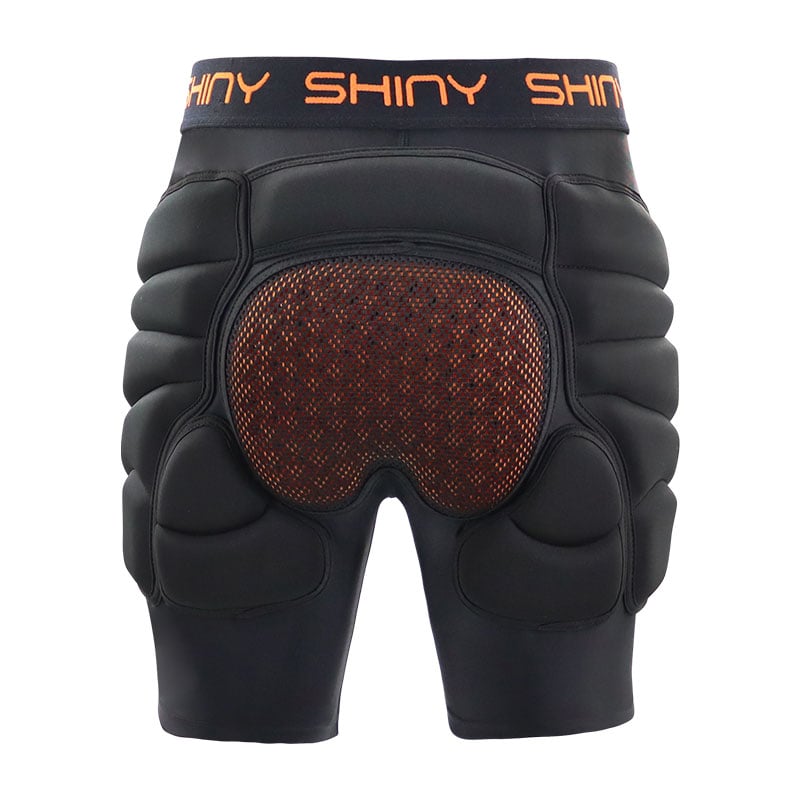
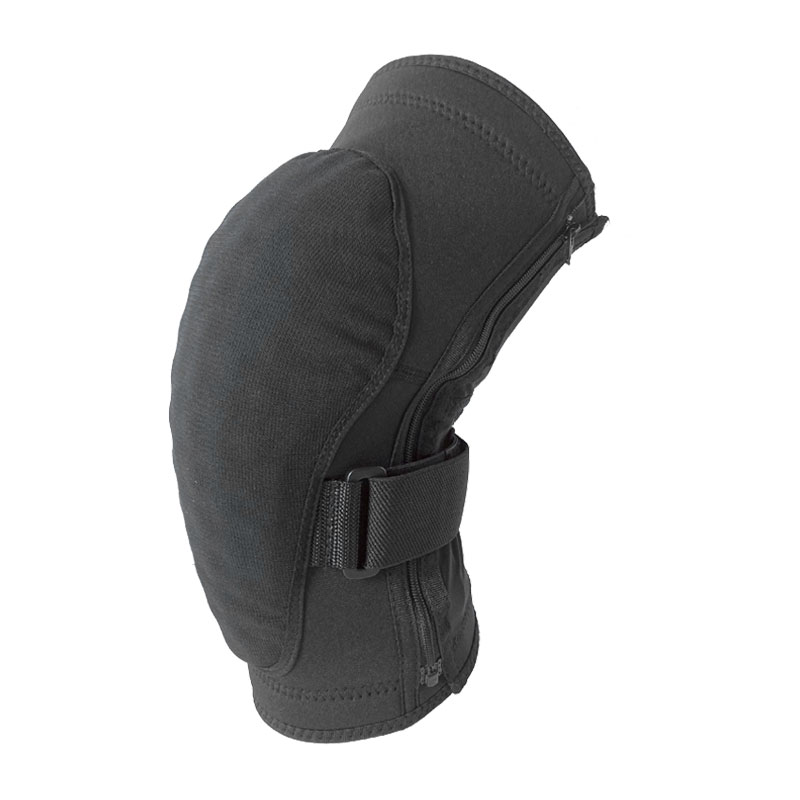
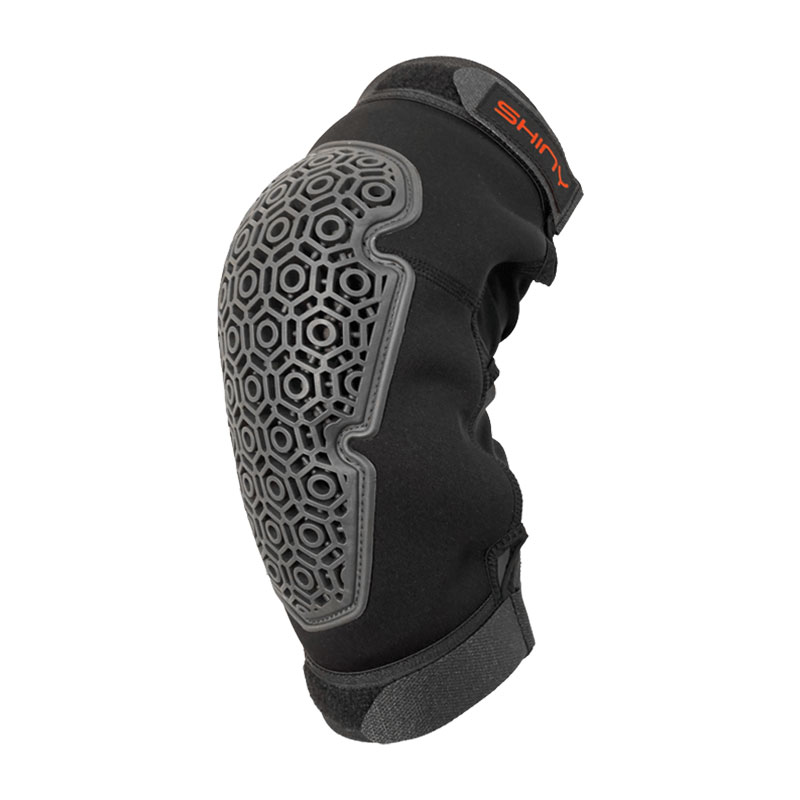
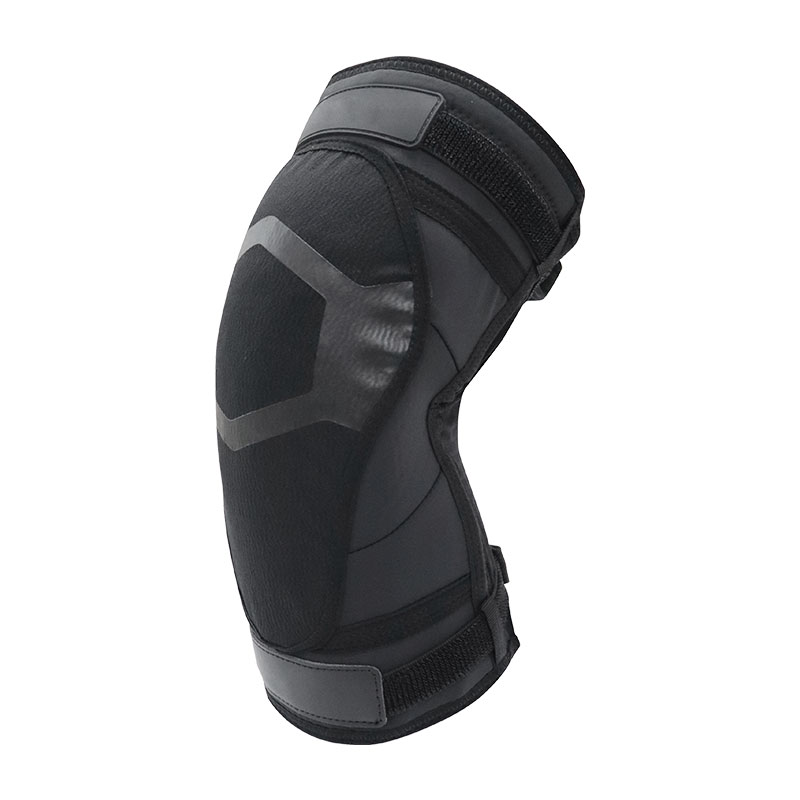
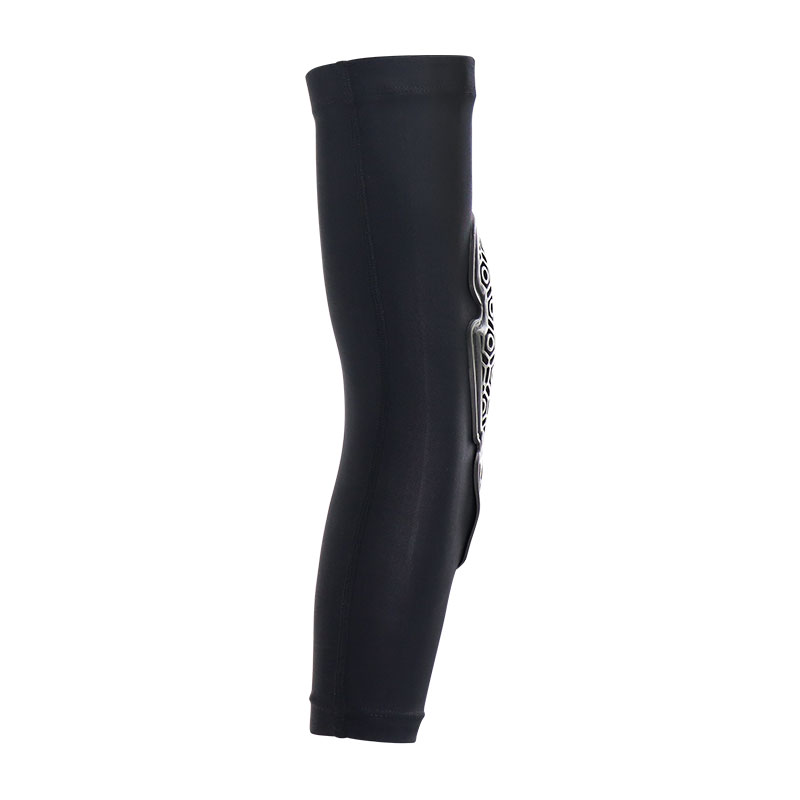
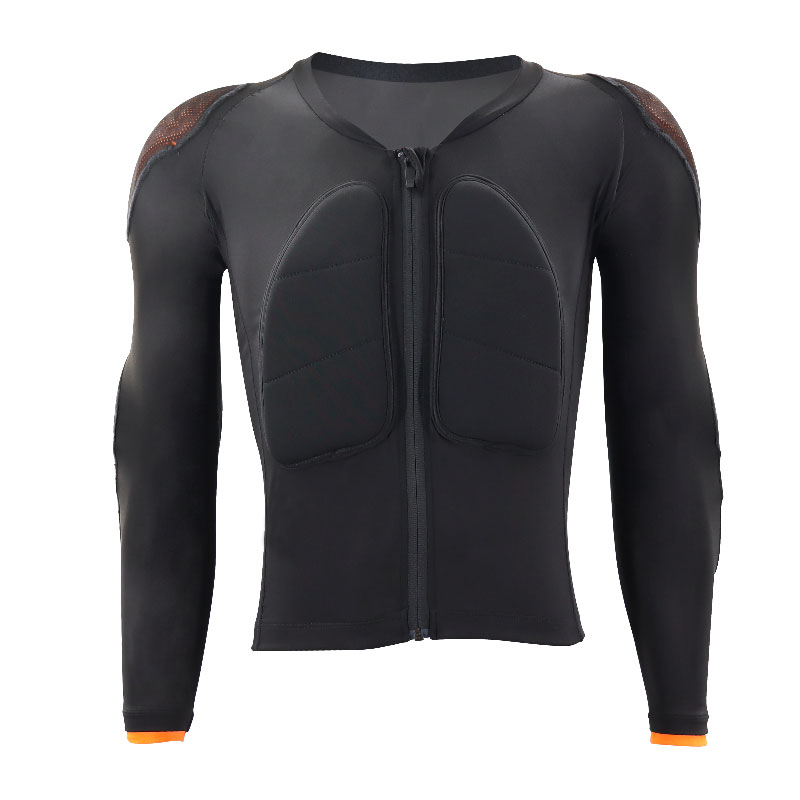
Proven Platform Architectures: Leverage our mature open-development platforms (such as SBP913 protective base layer shirts, SBP906 full upper-body armor, and SBP678 3D knee/elbow guards) to reduce development lead time by up to 60%.
-
Seamless Customer-Supplied Component Integration: Fully equipped to integrate customer-supplied core inserts (e.g., Koroyd, D3O, SAS-TEC, or custom 3D molded pads) with barcode-tracked ERP kitting and 100% assembly inspection.
-
Agile Prototyping & Scalable Capacity: Dedicated 3D pattern makers deliver first carrier prototypes in 7–10 days; monthly manufacturing capacity exceeds 50,000+ finished units.
-
Strict Confidentiality & Exclusivity: Comprehensive mutual NDAs guarantee that all custom pocket engineering, styling trims, and graphic layouts remain 100% exclusive to your brand.
Ready to Elevate Your Next-Gen Protective Lineup?
Whether you are expanding into lightweight trail protection, upgrading an existing downhill body armor range, or engineering an all-season armored compression line, our engineering team is ready to bring your vision to life.
Next Steps to Kickstart Your Project:
-
Request Our Technical Protective Catalogue: Discover our open ODM platform chassis across base layers, vests, and limb guards.
-
Schedule a DFM Engineering Review: Share your 3D CAD files, tech packs, or sample benchmarks for a detailed structural and costing review.
-
Order Prototype Samples: Experience our anatomical fit, ventilation mapping, and premium finishing firsthand.
👉 Contact Our Engineering & Sales Team | Email: [email protected] | Location: Humen, Dongguan, China
 Hot News

 EN