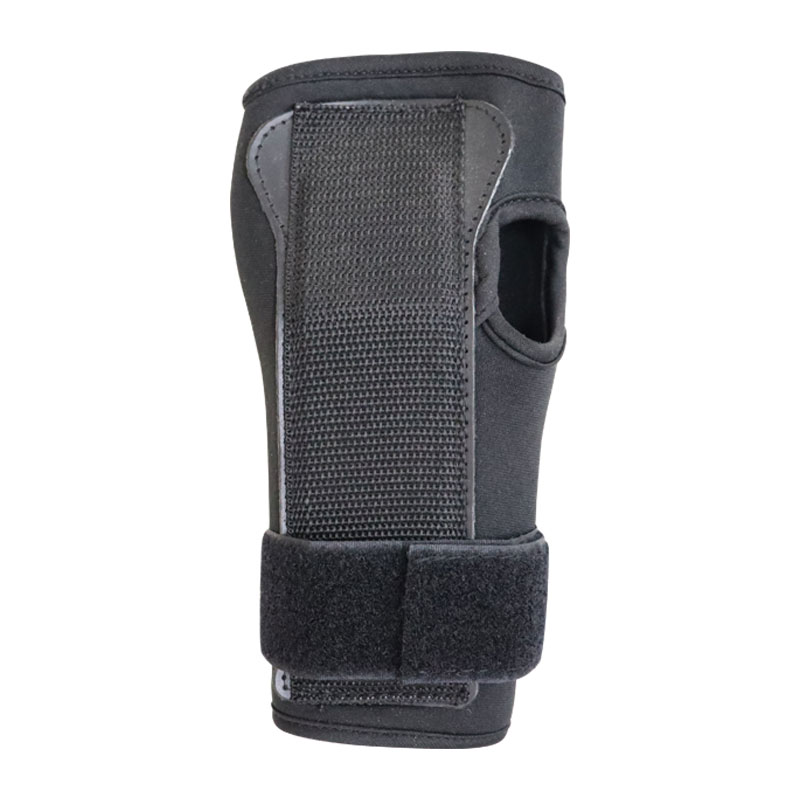
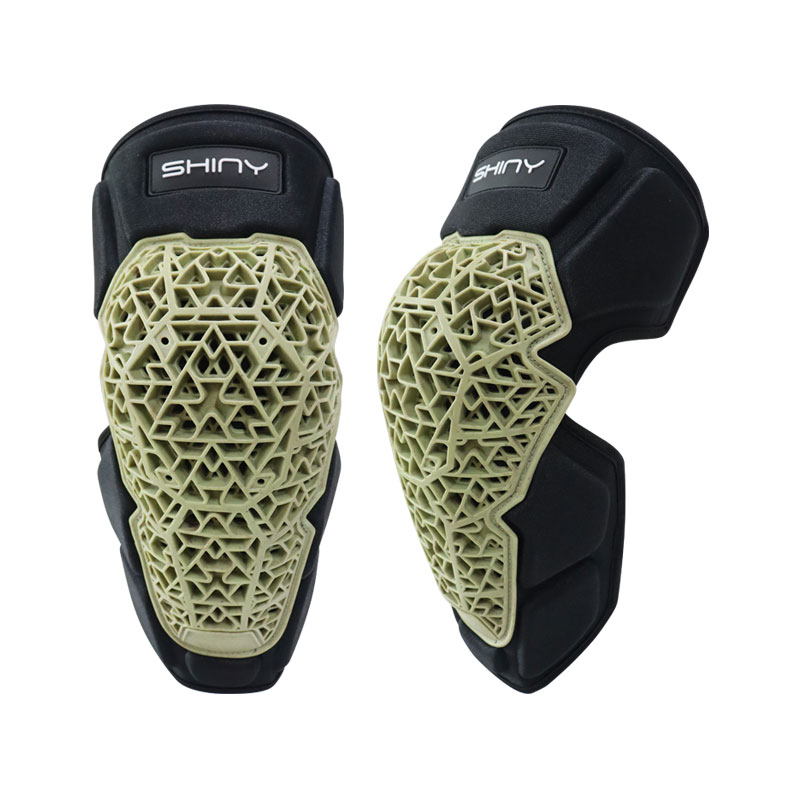
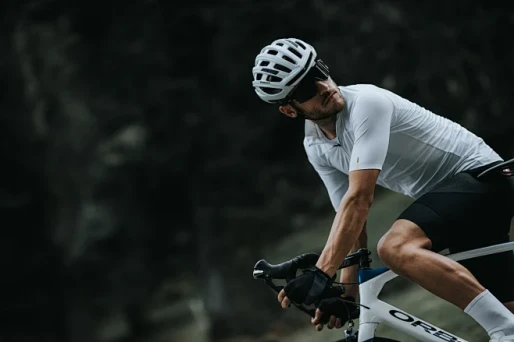
When developing protective equipment for a new sports or outdoor brand, choosing the right protective gear manufacturer is one of the most important decisions you will make.
A reliable manufacturing partner does more than produce products according to a drawing. For protective equipment, the manufacturer needs to understand impact protection, materials, product construction, fit, testing requirements, quality control and the practical needs of the end user.
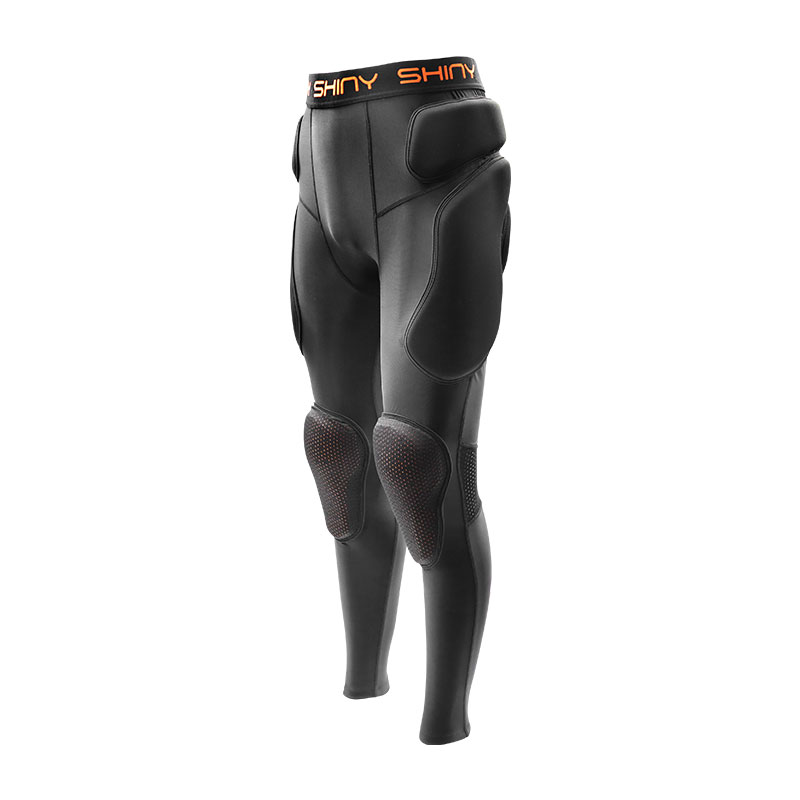
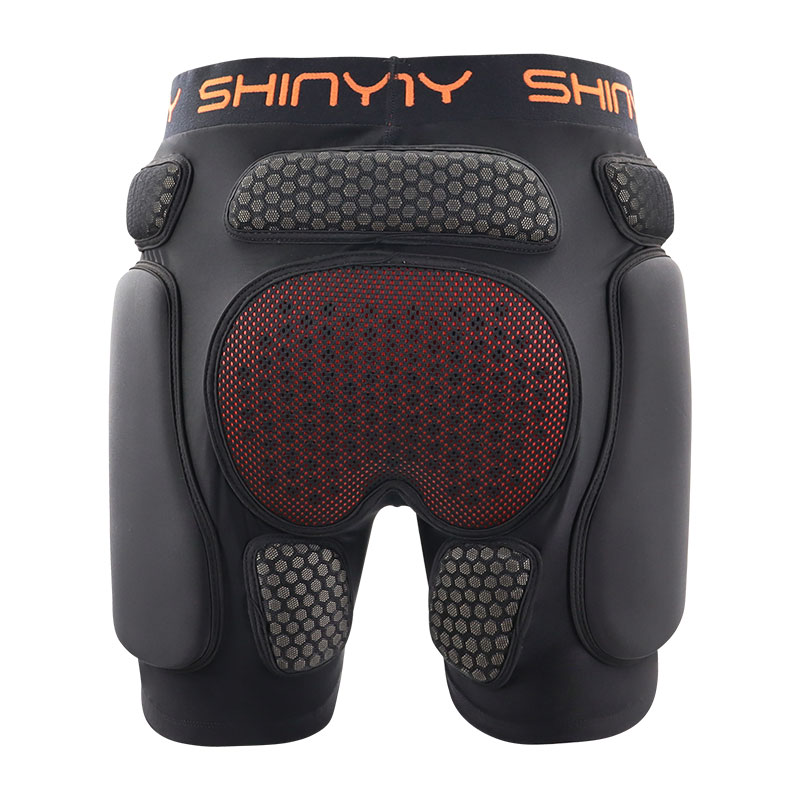
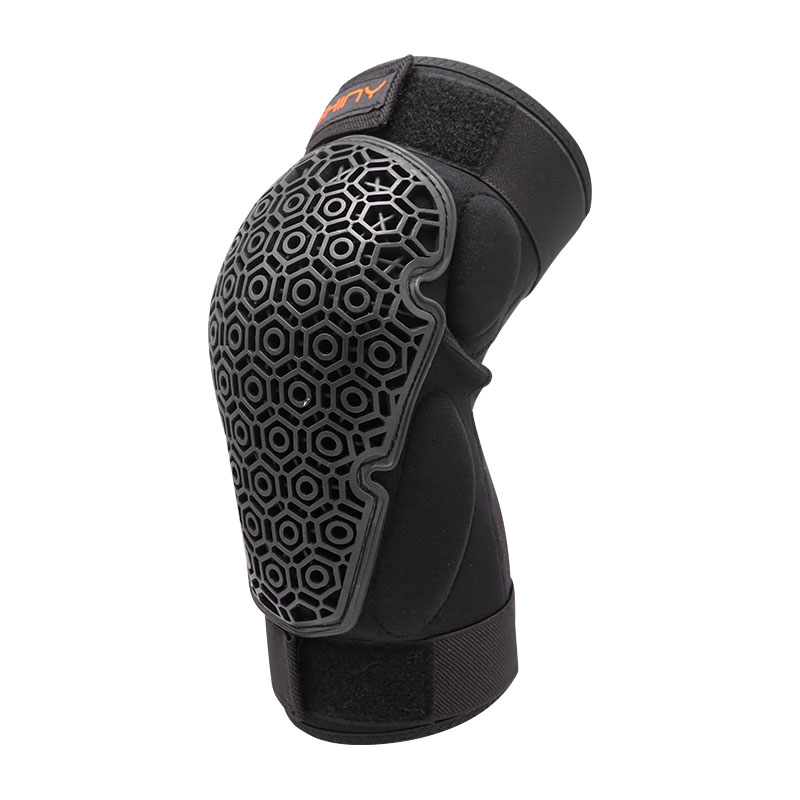
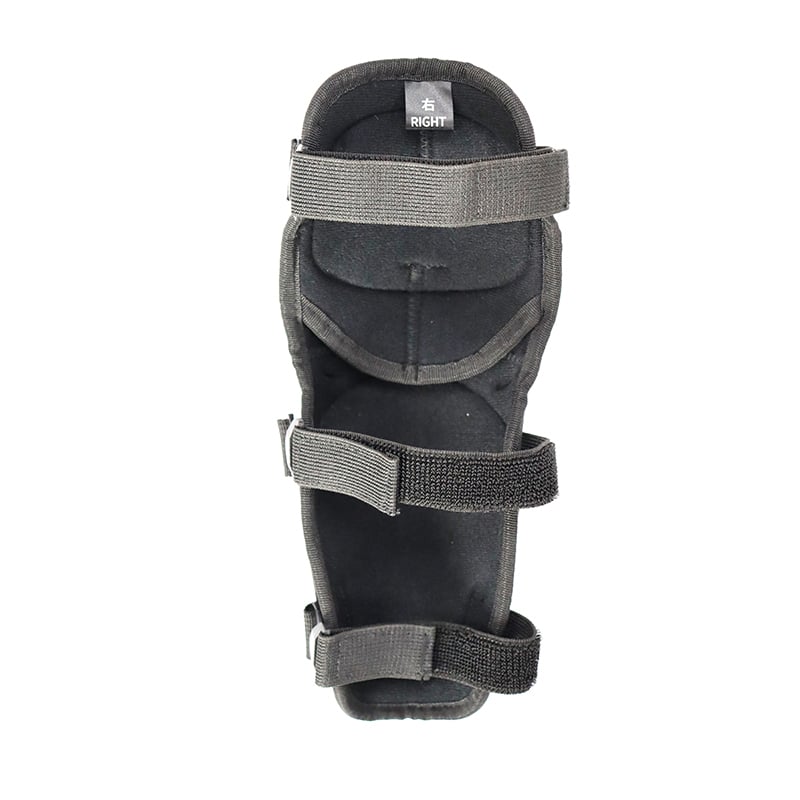
Whether you are developing knee pads, back protectors, hip protectors, chest protectors, protective shorts or full-body protection, the right OEM/ODM partner can make the development process more efficient and help turn your concept into a production-ready product.
Here are several important factors to consider when selecting a protective gear manufacturer.
Not every protective gear supplier is a true manufacturer.
Some suppliers mainly source products from different factories, while an experienced protective equipment manufacturer should be able to participate in the development process from the beginning.
For brands with their own designs, a capable OEM/ODM partner should be able to work with:
The earlier the manufacturer can become involved in the development process, the easier it is to identify potential manufacturing issues before mass production.
At Shiny Sports, we work with brands on both OEM and ODM projects, from product concept and material selection to sampling, testing and bulk production.
Protective gear is not simply clothing with extra padding.
The performance of the protective component, the structure of the product and the relationship between protection and comfort all affect the final product.
Depending on the application, protective equipment may use materials such as PU foam, TPE, TPV, PE foam or other impact-absorbing materials.
Different materials can provide different levels of flexibility, ventilation, weight and impact absorption.
For example, a product designed for mountain biking may need to balance impact protection with freedom of movement and breathability. A snowboard back protector may require a different construction and fit from a motorcycle knee protector.
This is why material selection should be considered together with the product's intended use rather than treated as a separate purchasing decision.
For protective equipment, compliance and testing should be discussed at the beginning of product development.
For example, EN 1621 is an important European standard family for certain motorcycle and impact protectors. Different parts of the standard cover different types of protection, including limb joint protectors and back protectors.
Depending on the product and intended market, brands may need to consider applicable requirements for:
A manufacturer should be able to explain which standards are relevant to the proposed product and help coordinate the development and testing process.
However, brands should always confirm the applicable regulatory and testing requirements for their specific product, market and intended use.
For established brands, an off-the-shelf protective product is often not enough.
You may need a specific protection shape, customized thickness, different fabric, special ventilation structure or a particular garment construction.
A capable custom protective gear manufacturer should therefore be able to support more than logo printing.
Customization may include:
The ability to combine these elements is particularly important when developing products for skiing, snowboarding, BMX, MTB, motocross, motorcycle riding and other high-impact activities.
A protector that offers protection but is uncomfortable to wear may not provide a good user experience.
For active sports, users often need to move, bend, pedal, jump or ride for extended periods.
This means a good protective product needs to balance several factors:
Protection + Comfort + Fit + Mobility + Breathability + Durability
For example, a knee protector for MTB may need to remain securely positioned while allowing the rider to move freely. A protective short may need to integrate hip and thigh protection without creating excessive bulk.
This is where the manufacturer's experience in both protective components and garment construction becomes valuable.
Before placing a bulk order, ask how the factory controls product quality.
A professional protective gear supplier should have clear inspection procedures covering areas such as:
For customized products, quality control should also be based on the approved sample and technical specifications.
Clear quality standards established during development can help reduce misunderstandings when production begins.
A good factory relationship depends on more than manufacturing equipment.
Communication is especially important for OEM and ODM projects because product specifications often change during development.
A manufacturer should be able to communicate clearly about:
For international brands, clear communication can save considerable time during product development.
Protective equipment can be used across many industries, and each application has different requirements.
For example:
Skiing & Snowboarding
Back protection, hip protection and protective shorts need to work with winter sports clothing while maintaining comfort and mobility.
MTB & BMX
Knee, elbow, hip and upper-body protection often needs to balance impact protection, ventilation and freedom of movement.
Motorcycle & Motocross
Protectors may need to integrate with riding garments and meet applicable motorcycle protection standards.
Equestrian Sports
The product needs to consider riding posture, movement and the specific protection requirements of the application.
A manufacturer with experience across different applications can often bring useful production and construction knowledge to a new project.
Before starting a project, ask the manufacturer to explain the development process from concept to mass production.
A typical OEM/ODM protective gear project may include:
Concept → Technical Evaluation → Material Selection → Prototype → Sample → Testing → Final Sample Approval → Bulk Production → Quality Inspection → Shipment
Having a clearly defined process helps both the brand and manufacturer understand what needs to be confirmed at each stage.
It also makes it easier to identify where changes may affect tooling, cost, lead time or testing.
Unit price is important, but it should not be the only factor when choosing a protective gear manufacturer.
A lower initial price may not necessarily result in lower overall development costs if the project requires repeated sampling, material changes, production corrections or additional development work.
When comparing manufacturers, consider the complete picture:
For brands developing a new protective product, a manufacturing partner that can support the project from development through production may provide greater value than a supplier focused only on the lowest unit price.
Shiny Sports is a protective gear manufacturer based in Dongguan, China, specializing in OEM and ODM protective equipment.
Our product development experience covers a range of impact protection products, including:
Our products are developed for applications including skiing, snowboarding, MTB, BMX, motocross, motorcycle riding, equestrian sports and other extreme sports.
We work with brands from the early development stage, supporting product evaluation, material selection, prototype development, customization, testing coordination and bulk production.
For brands looking for a custom protective gear manufacturer, the goal is not simply to manufacture a product. It is to develop a protective solution that meets the requirements of the brand, the intended application and the end user.
If you have a product concept, technical drawing, reference sample or existing protective gear that you would like to customize, our team can review your requirements and evaluate the development possibilities.
Contact Shiny Sports to discuss your next protective gear project.
 Hot News
2026-09-19
2026-07-28
2026-07-01
2026-05-28
2025-12-08
2025-09-15
F/6,Building 3,HongYue industrial park,27 Huailin Road, Humen Town, Dongguan City, Guangdong , China
Copyright © 2024 Shiny Sports all rights reserved Privacy Policy

 EN
EN